The bathroom mirror is a centerpiece of both style and function. For decades, the humble medicine cabinet reigned as the go-to solution for mirror and storage—space-saving, practical, and often recessed for flush mounting. But with evolving aesthetics and lighting technology, many homeowners and designers have asked: are medicine cabinets outdated? Or is the recessed medicine cabinet modern revival upon us, especially when paired with today's lighting innovations?
We’ll tackle these questions head-on, drawing on expertise from the National Kitchen & Bath Association (NKBA), lighting specialists like Golden Lighting, and e-retail powerhouse Lumens. We’ll also weave in essential insights related to glazier and electrician coordination—a critical part of making medicine cabinet with lighting projects truly shine.
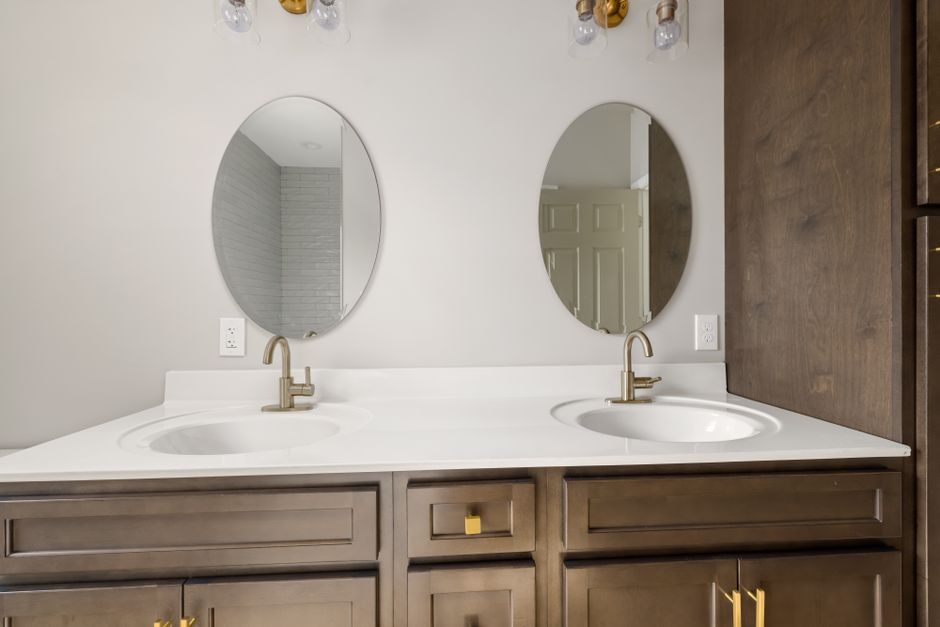
The Evolving Role of Bathroom Mirrors: Function, Form, Lighting
When rethinking bathroom mirrors, consider that you’re balancing multiple goals:
- Shape and style: traditional rectangle, trendy round, or modern oval Storage: none (decorative mirror), concealed (medicine cabinet), or freestanding Mounting: surface-mounted on drywall, recessed into the wall, or custom framed Lighting: integrated LED, flanking sconces, or no lighting at all
Each choice interlocks with the others. For instance, oversized mirrors can crowd out flanking sconces, creating awkward lighting. Conversely, recessed medicine cabinets introduce built-in storage but sometimes limit mirror dimensions and lighting placement if not planned properly.
Medicine Cabinets: Functional Storage that Reflects Changing Needs
Traditionally, medicine cabinets provided a tidy stash for toiletries and medicines while serving as a mirror--all in one compact unit. But with a surge of minimalist bathroom mirror sizes vanities and wall-mounted shelves, storage needs shifted. Many designers shelved medicine cabinets entirely in favor of larger mirrors and open storage.
However, the pendulum has begun to swing back. The recessed medicine cabinet modern designs now feature:
- Sleek, minimalistic frames or frameless edges Integrated soft-closing doors with anti-fog coatings Medicine cabinet with lighting options—either backlit mirrors or LED perimeter lighting
This blend reconciles storage and lighting needs without the bulky, outdated superstructures of the past.
Sizing Rules: Mirror Width and Lighting Layout
When specifying the vanity area, the National Kitchen & Bath Association (NKBA) guidelines provide excellent baseline rules for mirror and lighting sizing.
Vanity Width Recommended Mirror Width Sconce Spacing Mirror Height 24" or less 20"-24" 12"-18" apart, 36"-40" above countertop 36" high minimum 30"-48" 24"-40" (leave room for sconces) Flanking sconces placed 28"-36" apart 42" high typical 60" or more Two mirrors or sectional mirrors recommended Multiple sconces evenly spaced 44" to 48" heightsHere is why these rules matter:
Vanity-mirror sizing: Oversized rectangular mirrors that stretch edge to edge can crowd out sconces. Sconces need minimum clearance—usually 3" to 6" from mirror edges—to provide balanced lighting that doesn’t cast shadows. Lighting layout: Task lighting (e.g., sconces at eye level) performs differently than ambient lighting (overhead or integrated LED). The mirror shape and size dictate where lighting can fit physically. Mirror height: According to NKBA, mirror bottom edges start about 4"-6" above the vanity countertop to accommodate faucets and backsplash; mirror tops generally align with upper sconce heights (~65" AFF).
Medicine Cabinet Sizing Constraints
Recessed medicine cabinets naturally reduce available wall space. Their doors require clearance to swing open, and if lighting sconces flank the cabinet, spacing must allow clearance for hinges and door operation. This often results in:
- Narrower cabinets than the vanity width Limited mirror width, impacting task lighting options Necessity for integrated lighting within the cabinet or backlit mirrors to compensate
Pro tip: Lighting always precedes mirror width decisions. Frame your lighting plan first, then size the mirror or medicine cabinet to fit.

Placement Heights and Sconce Spacing
Proper sconce placement is crucial for flattering, even task lighting—especially in makeup or shaving zones. Usually:
- Sconces mount about 75"-78" AFF (above finished floor), which corresponds roughly to average eye height Spacing between sconces is about 28"-36" to cover the face without shadows Sconce width and projection matter; narrow sconces with diffused glass shades help avoid harsh shadows
When a medicine cabinet door is installed, wall clearance for sconce arms must be factored into the cabinet's width and mounting height. Also, if the cabinet features built-in lighting or a demister pad, locating the electrician early ensures power feed placement can accommodate the lighting needs.
Coordination with Electricians and Glaziers
From a tech standpoint, installing a medicine cabinet with lighting involves coordination between:
- Electrician: runs circuit feeds for hardwired LED mirrors or lighting strips, installs dimmers or switches, and ensures compliance with local codes regarding bathroom lighting and GFCI protection Glazier: templates and installs plate glass components—especially important for mirrored doors with integrated lighting panels or anti-fog features
Good collaboration between these trades streamlines installation and ensures the lighting is balanced, the glass edges are sealed properly, and wiring is hidden and safe. This reduces failures commonly seen in humid bathrooms, such as unsealed glass edges or faulty demister circuits.
Backlit vs Front-Lit Mirrors: What’s the Difference?
A common marketing pitfall is glossing over the difference between backlit and front-lit mirrors. Here’s why it matters:
- Backlit mirrors feature LEDs hidden behind the mirror edges, emitting a halo glow around the mirror frame. This provides ambient, indirect light but often insufficient task illumination alone. Front-lit mirrors may integrate LED panels behind a frosted glass surface or use light bars attached to the mirror’s front. These offer direct, shadow-free illumination ideal for grooming tasks.
For medicine cabinets, backlit LEDs can be an elegant solution where sconces are impractical. But for detailed tasks, consider supplementing with sconces or overhead lighting.
The Verdict: Are Medicine Cabinets Outdated?
Let's break it down for clarity:
Aspect Traditional Medicine Cabinets Modern Recessed Medicine Cabinets Storage Small, basic shelves; often shallow; may feel cluttered Deep shelving, customizable layouts, soft-close doors Mirror style Framed, bulky look; smaller reflective surface Frameless or thin bezel; integrated LED lighting options Lighting Dependent on sconces or overhead; no integrated lighting Hardwired LED mirrors or backlit panels with electrician feed Installation complexity Simple drywall cutout, minimal trade coordination Coordination with glazier and electrician; templating critical Suitability for modern bathrooms Often considered outdated, bulky, shadow-prone Highly functional, sleek, integrates with contemporary lighting and techSummary verdict: Demister yes. Dashboard maybe.
In other words, recessed medicine cabinets with lighting are back—and better than ever—but only when executed thoughtfully. Poor lighting or sizing kills the user experience.
Best Practices for Integrating Medicine Cabinets Today
Design lighting first. Map sconces and LED feed locations before selecting mirror width or cabinet size. Partner early with electrician and glazier. Coordinate power feeds and glass templating for integrated LED or anti-fog features. Sizing is key. Ensure cabinet width leaves at least 3"-6" clearance for sconces; keep mirror height between 36"–44" depending on vanity height. Consider mirror shapes that complement sconces. Oversized mirrors without sconces feel cold, while round mirrors may “date” quickly compared to classic rectangles. Specify quality frames and sealed glass. Avoid cheap, unsealed edges that degrade under humidity. Use dimmable LEDs. Control task vs ambient lighting for flexibility.Where to Find High-Quality Medicine Cabinets and Lighting
Looking for options? Trusted industry brands and retailers include:
- Golden Lighting: Known for sophisticated sconce and vanity lighting collections that pair beautifully with framed and recessed mirrors. Lumens: Offers a curated selection of backlit mirrors and recessed medicine cabinets with integrated LED lighting. NKBA: Provides the latest design guidelines and trade resources for bathroom lighting and cabinetry standards.
By combining modern recessed medicine cabinets with expert lighting and sizing, you create a functional, beautiful bathroom that’s anything but outdated.
Conclusion
So, are medicine cabinets outdated? Not quite. They are evolving with the times into sleek, tech-smart storage solutions with integrated lighting that merge aesthetics with daily functionality. The key to success lies in sizing, lighting prioritization, and early trade coordination—especially electrician and glazier synchronization for mirrored glass and LED integration.
When done right, the recessed medicine cabinet modern comeback is bright, practical, and perfectly framed.