We all remember how easy it was to make friends in school or early in our careers — the daily routines, scheduled activities, and natural proximity created effortless opportunities for connection. But as adults, especially those navigating busy professional and personal lives, forging meaningful friendships can feel downright daunting.
Why is this the case? And could shared challenges be the key to not just meeting new people, but truly bonding with them? In this article, we'll explore the structural reasons adult friendships become harder, the science behind bonding through shared experiences, and review of U.S. Surgeon General connection how small group travel — the kind emphasized by communities like Hero Traveler and Camp Social — offers a proven path to building deeper, lasting connections.
Why Adult Friendship Feels Harder to Build
According to the U.S. Department of Health & Human Services (HHS), social connections are a critical pillar of mental health and well-being. Yet studies repeatedly find that adults report feeling increasingly lonely and isolated.
Several broad structural and lifestyle factors contribute:
- Busyness and competing priorities: Juggling demanding careers, family obligations, and personal health often leaves little "downtime" to nurture friendships. Shallow online ties: Social media and texting can create an illusion of connection, but often lack the depth needed to sustain meaningful friendships. Transactional work relationships: Many adult social interactions revolve around work tasks rather than genuine human connection, limiting opportunities for vulnerability and bonding.
In other words, meaningful relationships require more than just occasional check-ins or networking-style meetups. They need time, repeated positive shared experiences, and a safe space for personal vulnerability — essentials that typical adult life often deprioritizes.
What Builds Lasting Bonds? The Role of Shared Challenges
Friendship research points to repeated contact and shared experiences as critical components to creating trust and empathy. But not all shared experiences are equal. One of the strongest factors? Overcoming challenges together.
Here’s why shared challenges have such a bonding effect:
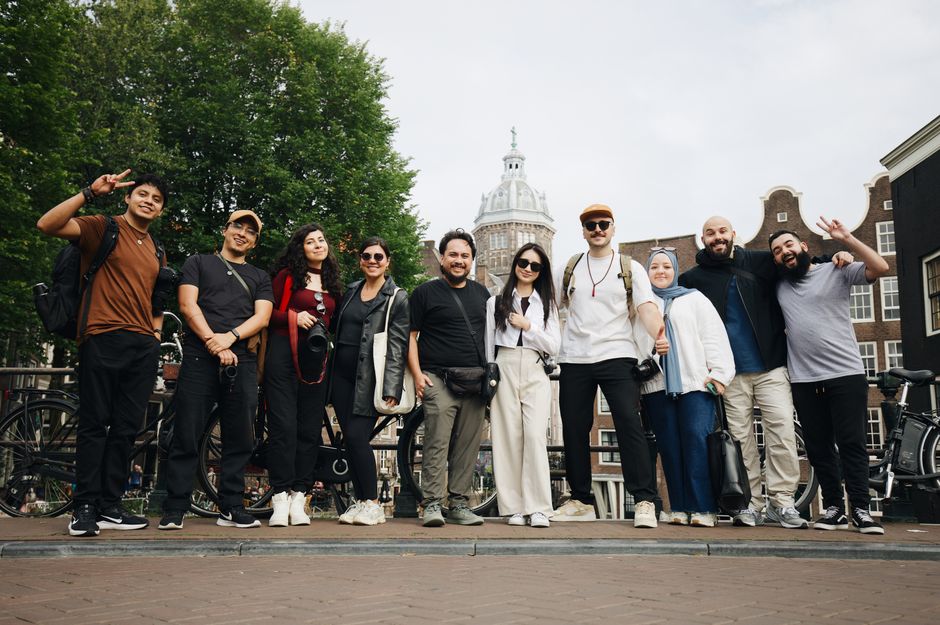
Think about sporting teams, military units, or collaborative art projects — the toughest challenges often forge the deepest ties. The same concept applies to adult friendships when the right environment is created.

Small Group Travel: Creating Time and Space for Genuine Connection
Many adults want closer connections but complain they "never have time" or "can't find the right people." This is where small group travel shines as a unique opportunity to combine intentionality with adventure.
Organizations like Hero Traveler and Camp Social specialize in crafting immersive travel experiences designed to facilitate friendship through adventure. Here’s what makes their approach powerful:
- Built-in repeated contact over several days: When you spend multiple days living, exploring, and problem-solving together, natural rapport develops beyond superficial small talk. Opportunities for shared challenges and teamwork travel: Whether it’s navigating a new city, cooking together, or embarking on a group hike, participants face moments that require cooperation and mutual support. Intentional community cultivation: These travel hosts create safe spaces for introductions, reflection, and honest conversations — moving the group from polite acquaintances to authentic friends.
The beauty is that this bonding doesn’t just happen accidentally. The thoughtful design of these trips ensures that participants experience the kind of shared challenges bonding proven to deepen friendships.
Why This Matters: Real Benefits of Friendship Through Adventure
Strong social ties improve mental and physical health, decrease stress, support resilience, Click to find out more and enhance life satisfaction. Yet many adults remain stuck in cycles of loneliness despite wanting connection.
Small group travel experiences provide more than just a vacation — they offer a meaningful remedy for social isolation. Participants often return home with new friends rather than just travel memories. This ripple effect can improve well-being long after the trip.
Camp Social shares participant testimonials highlighting how their adventures catalyzed lifelong friendships by fostering vulnerability and teamwork travel experiences. Similarly, Hero Traveler captures moments of transformation during trips where strangers become a support network for life.
Practical Tips for Cultivating Shared Challenge Bonding
If you’re inspired to build deeper friendships — whether on your own terms or by joining a small group travel experience — here are some strategies:
- Pursue activities requiring cooperation: Join sports leagues, adventure clubs, or hobby groups where you face challenges together. Prioritize repeated interactions: One-off meetings rarely build true bonds. Assume friendship is a process that needs ongoing connection. Choose vulnerability: Share thoughts and feelings honestly, even in small ways. Opening up invites others to reciprocate. Be intentional about scheduling quality face time: Reduce distractions and create spaces where conversations can deepen. Consider curated group travel: Trips designed around shared interests and challenges create ideal conditions for new friendships to grow.
Share Your Experience
Have you ever experienced friendship through adventure or teamwork travel? What kinds of shared challenges helped you bond with others? Feel free to share this article via email and start a conversation.
For a visual glimpse of small group travel bonding moments, check out this curated gallery hosted on Cloudinary.
Conclusion
Friendship as adults isn’t broken — it’s just more complicated. Structural barriers like busyness and shallow social ties make it harder to connect organically. But by intentionally creating environments where repeated contact and shared challenges occur — such as small group travel experiences from Hero Traveler and Camp Social — adults can bypass transactional interactions and build meaningful friendships rooted in teamwork and mutual vulnerability.
Shared challenges really are a secret ingredient to genuine bonding. When you face life’s adventures together, you don’t just gain companions — you gain trusted friends.