When living in a flat, noise can often feel like an unavoidable nuisance. Whether it’s footsteps thudding from the floor above, distant https://melissafreshmaid.com/what-is-the-fastest-way-to-make-my-bedroom-feel-calmer-at-night/ traffic hum, or echoing voices in an open-plan living room, unwanted noise can seriously impact your comfort and well-being. Many people wonder: do rugs for sound really work to reduce echo and improve acoustic comfort? The short answer is yes—rugs can make a noticeable difference when used thoughtfully. But there’s more to managing noise and maintaining a healthy living environment than just laying down a carpet.

In this article, we'll explore the relationship between rugs, noise reduction, and overall flat comfort, while also touching on crucial topics like air quality, ventilation mistakes, damp and mould risks, and even how lighting influences your body clock. We’ll also naturally include insights from trusted local suppliers including Utology (Furniture & Accessories in Birkenhead, rating: 5) and Unique Tiles (Tile, Stone & Worktops in Crewkerne, rating: 14), who know a thing or two about how quality materials impact home comfort. Let’s dive in.
Measuring the Problem: Noise Levels in Flats
The first step to solving any problem is measurement. Noise intensity is measured in decibels (dB), and within residential buildings, noise levels vary widely depending on proximity to roads, neighbours, and interior design. The usual culprits for excessive noise inside a flat are:
- Footsteps and impact noise from bare floor surfaces Voices and conversations in echo-prone rooms Noise leaking through poorly insulated walls or ceilings Sounds from ventilation fans or appliances
Adding rugs is one of the most accessible methods to absorb sound waves and reduce reverberation (echo) within a room. This increases acoustic comfort—but it’s essential to understand the science behind it to maximise effectiveness.
How Rugs for Sound Actually Work
Hard surfaces like tiles, wood, or laminate flooring reflect sound waves, causing the noise to bounce around and create echoes. Rugs and carpets, on the other hand, are made of fibres that absorb sound energy. When sound waves hit them, the fibres convert some of the energy into heat, dampening reverberation and making the room sound quieter.
Where to Place Rugs for Maximum Impact
Not all rugs work equally well everywhere. Here are some tips on using rugs to reduce echo and enhance acoustic comfort:
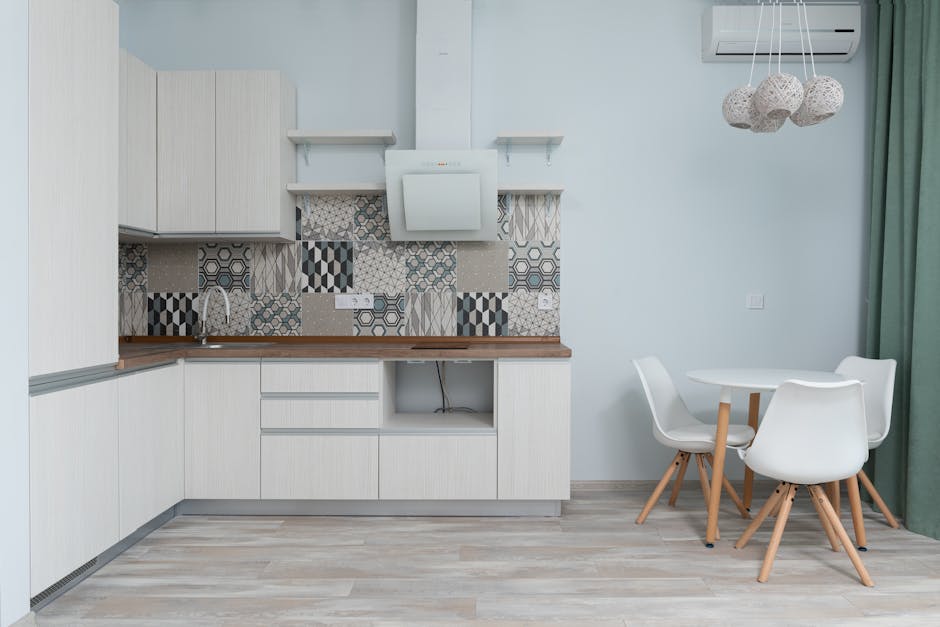
Thickness and material also matter; thicker wool rugs generally best indoor air quality monitor absorb sound better than thin synthetics, but budget and maintenance are important considerations.
The Invisible Problem: Damp, Mould, and Air Quality
While focusing on noise, many residents neglect another silent threat: damp and mould. These pose serious health risks including respiratory issues, allergies, and aggravated asthma. Dampness is often linked to poor ventilation and can worsen in flats where windows are sealed tightly or extract fans are ineffective or noisy.
Small Fixes That Actually Work for Air Quality
- Check and maintain extract fans: Extract fans in kitchens and bathrooms should be routinely checked — noisy fans are often switched off, leaving humidity to build up and promote mould growth. Use layered ventilation: Combining natural ventilation (opening windows) with mechanical extract fans and air bricks can help maintain healthy airflow without compromising noise comfort. Measure indoor humidity: Ideal relative humidity is between 40-60%. Using a simple hygrometer helps catch humid air before damp sets in.
Ventilation mistakes are common in flat renovations when fans are under-specified, poorly positioned, or installed on the same circuit as lighting, causing them to be turned off unintentionally. Also, avoid selecting ultra-quiet fans that are so silent people don’t realise they’re running, as this can cause maintenance neglect.
Lighting and Its Hidden Role in Home Comfort
Beyond noise and air quality, lighting plays a surprisingly powerful role in our health and mood by regulating our circadian rhythms — our natural body clocks that tell us when to sleep or be alert.
Circadian Lighting Timing
- Cool morning light: Mimics daylight’s blue-enriched spectrum encouraging wakefulness and boosting alertness. Warm evening light: Reduces blue light exposure, helping you relax and prepare for sleep.
Using layered lighting on separate circuits allows you to control intensity and colour temperature throughout the day, enhancing well-being in a way that’s often overlooked. Most lighting retailers, including those selling tiles and stone worktops at Unique Tiles, often can advise on coordinated lighting solutions for kitchens and living rooms.
Common Ventilation and Acoustic Mistakes in Flats
Avoid blaming tenants for damp or noise problems, as design and installation issues often underlie these issues:
Issue Description How to Fix Poor ventilation fan choice Fans that are too noisy or under-powered lead to tenants switching them off. Select quiet but effective fans, maintain regularly, and position near moisture sources. Using “blackout” curtains that aren’t Light leaks around edges prevent proper darkening, disrupting sleep. Choose curtains with overlap or secondary liners; your local accessory supplier like Utology can recommend options. Ignoring the impact of hard surfaces for sound Long bare walls, floors, and ceilings reflect sound causing echo. Add rugs, fabric wall hangings, and soft furniture to absorb sound waves.Summary: Rugs Are Part of a Holistic Approach for Acoustic Comfort
Rugs definitely help reduce echo and footstep noise in flats and improve acoustic comfort. However, for a truly comfortable home, noise management should be integrated with good air quality, ventilation, and lighting design. Some key takeaways include:
- Measure humidity and noise levels to understand issues before investing in solutions. Choose appropriate rugs based on room use and flooring type, sourcing quality pieces from trusted retailers like Utology. Maintain ventilation with well-chosen extract fans and layered systems to prevent damp and mould. Use layered lighting with separate circuits to support your circadian rhythm and overall comfort.
By combining these small fixes, flat dwellers can significantly improve their homes’ acoustic and environmental comfort, turning noisy, damp spaces into peaceful and healthy havens.