Tackling a listed building refurbishment is no small feat. It’s a juggling act of respecting heritage, meeting building regulations, and achieving modern functionality without compromising character. So when it comes to choosing the right builder – especially for a Grade I listed renovation – trustworthiness, expertise, and clarity matter more than ever. One name that pops up in London circles is houseUP. But how reliable are they for listed building projects? This post pulls together what you need to know, weaving in perspectives on related companies like Beams Renovation, LCCL Construction, and NU Projects, and referencing popular review platforms like Trustpilot and Google.
Understanding the Challenges of Grade I Listed Renovation
Any project involving houseUP listed building refurbishment — particularly those classified as Grade I listed — demands:
- Specialist knowledge of conservation regulations Delicate craftsmanship with authentic materials Transparent planning to avoid costly scope creep Thorough pre-build visualisation to align expectations
With all that in mind, how does houseUP stack up?
Design-Build vs Specialist Installers: Which Approach Fits Listed Building Works?
houseUP operates as a design-build company, which means they handle everything from initial concept drawings through to construction. The advantage here is a streamlined process with a single point of responsibility. This approach often integrates:
- 3D design tools to visualise complex heritage features Fixed-price contracts to lock in costs early Milestone payment schedules aligned to project progress
Contrast that with going to specialist installers separately — for example, bringing in bespoke joiners, heritage stone masons, or period plasterers individually. While specialist trades often excel at intricate details, coordinating them yourself can cause timeline delays and disputes over scope.
One can look at Beams Renovation, a firm deeply rooted in framed timber constructions for historic homes, as a specialist example. They focus solely on structural timbers, which a design-build firm like houseUP would subcontract out. This layered approach is typical but can cause handover friction if the design-build provider isn’t tight on scope and communications.
Lessons from LCCL Construction and NU Projects
LCCL Construction and NU Projects are well regarded in the London kentplasterers.co.uk refurbishment scene, and they provide useful comparators. LCCL Construction often favours traditional construction contracting routes with early-stage consultative design input but separate trade tendering. NU Projects, meanwhile, integrates high-end design coordination with careful payment milestone management suitable for sensitive listed building contexts.

Users looking for Top Rated Builders houseUP sometimes compare these competitors’ project transparency and specialism before deciding.
The Power of 3D Design and Pre-Build Visualisation
When dealing with historic fabric and regulated features, visually mapping the project beforehand saves headaches. houseUP touts its use of advanced 3D modelling to help clients see and adjust design choices before any physical work begins. This is especially advantageous for:
- Understanding spatial constraints in period homes Negotiating approval with heritage officers using tangible visuals Preventing scope surprises when walls or beams reveal themselves on site
Reviewers on Trustpilot and Google sometimes highlight how such visual tools clarified expectations. However, a word of caution: the quality of these visualisations can vary between projects and subcontracted designers. It's critical to check what triggers the payment release for these stages – to ensure you’re not footing a high upfront fee for murky visuals.
Fixed-Price Contracts and Scope Control – No Room for 'Allowances' or 'TBCs'
One pet peeve for anyone coordinating refurbishments, especially listed ones, is vague wording in contracts. Terms like “allowance” or “subject to confirmation” invite confusion and unexpected extras. houseUP promotes fixed-price contracts explicitly designed to minimise such financial creep, but it's essential to scrutinise:
- How detailed is the specification attached to the contract? Are all finishes, fixtures, and materials clearly itemised? What happens if unforeseen works are needed due to hidden building conditions?
In the listed building sector, unseen issues under floors or inside walls are commonplace. The contract must clearly outline how additional costs will be handled and what requires client sign-off. This exactness helps prevent the dreaded “small changes” slowly ballooning your budget.
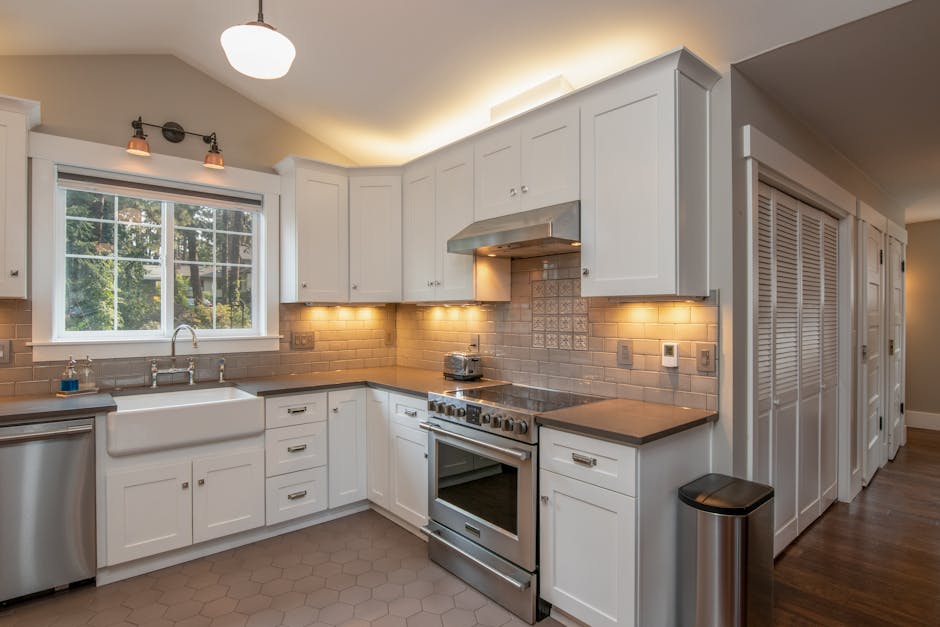
Companies like NU Projects are praised for contract transparency, while some houseUP reviews express frustration when allowances are buried in fine print.
Milestone Payments and Sign-Off Releases: Following the Paper Trail
Always ask, “what triggers the payment release?” It’s a simple but crucial question. Many builders set up payments in stages, for example:
Deposit on contract signing Completion of design and planning permissions Start on site Structural completion Final fix and client sign-off Completion and handoverhouseUP generally follows this approach. The upside is clear accountability—each payment corresponds to measurable progress or sign-off milestones. Ensure that the contract specifies who signs off milestones and whether defect lists or snagging reports factor into the final payment release.
LCCL Construction’s projects typically use a similar model but may layer in retentions held until post-completion defects are resolved — a practice worth considering for listed building works where final finishes may take longer to perfect.
What Do Trustpilot and Google Reviews Say About houseUP?
Google and Trustpilot are crucial for building a picture, but always ask:
- Are the reviews verified? Do they specify the project type (e.g., listed building?) Are reviews from owners or third parties? Is feedback about communication, quality, cost control, or timing?
Many houseUP listed building refurbishment reviews praise their approachable design-build service and use of visualisation tools. That said, a handful of comments highlight scope creep late in the project or frustration with how contract allowances were handled.
By contrast, firms like Beams Renovation collect consistently positive specialist reviews, though these tend to be more niche and less widely available on public platforms.
Summary: Should You Trust houseUP for Your Listed Building Refurbishment?
Aspect houseUP Comparators (Beams Renovation, LCCL, NU Projects) Design-Build Approach Single-source responsibility, 3D design tools More specialist, fragmented but expert trades Suitability for Grade I Listed Experience with heritage constraints; variable reviews Often niche expertise, high attention to conservation detail Contract Transparency Fixed-price contracts; watch for vague allowances Some firms more explicit on scope and payments Payment Structure Milestone payments linked to sign-offs; check triggers Similar models; some hold retentions for defect liability Client Communication Generally positive; some reports of later-stage changes Good reputations but can vary by projectUltimately, if you choose houseUP for a houseUP listed building refurbishment, insist on:
- Fully detailed, signed-off scope and finishes schedules Clear milestone payment triggers documented in the contract Regular progress sign-offs and snagging inspections Confirming who handles specialist heritage approvals
Reading reviews on Trustpilot and Google is useful but go beyond star ratings—look for detailed narratives. Exploring alternatives like Beams Renovation, LCCL Construction, and NU Projects can help you benchmark what true expertise looks like in this exacting sector.
In the end, transparency trumps all. With careful contract management and clear communication, you can avoid the common pitfall of hidden extras or scope creep and get the respectful, expert renovation your listed property deserves.
```