Hi there! I’m the office manager here at a busy Connecticut pest control firm. If I had a nickel for every time a homeowner called me saying, "I only saw three wasps by the back door, I’m sure it’s nothing," I’d be retired on a beach somewhere. Instead, I’m here to tell you that "only a few" is usually the canary in the coal mine.
Before we talk about scheduling or pricing, I need to know: Where exactly are you seeing traffic? Is it coming from a crack in your siding? Are they hovering over a specific patch of mulch? Are they disappearing into your soffits? These details are the difference between a simple spray and a wall-void nightmare.
If you’re seeing wasps, you are likely looking at the early signs of a hive. Here is why you shouldn't wait for the problem to grow.
Stop Calling Everything a "Bee"
It drives me up the wall when someone calls in a "bee problem" only for our technician to arrive and find a massive Yellowjacket colony. Honeybees are beneficial pollinators; they are fuzzy, they are generally peaceful, and they are protected in many ways. Wasps, hornets, and Yellowjackets are a completely different ballgame. They are aggressive, territorial, and—most importantly—they build nests in places that can cause structural damage to your Connecticut home.
If you aren't sure what you're looking at, don't guess. Companies like Bee Smart Pest Control or the folks over at Mega Bee Pest Control (Mega Bee Rescues) can tell the difference in seconds. Getting an identification right is the first step toward effective management.
Common Nesting Spots: Where They Hide
Wasps aren't just flying around for the fun of it. They have a destination. When you see "just a few," they are often scouts returning to a central location. Check these high-traffic areas immediately:
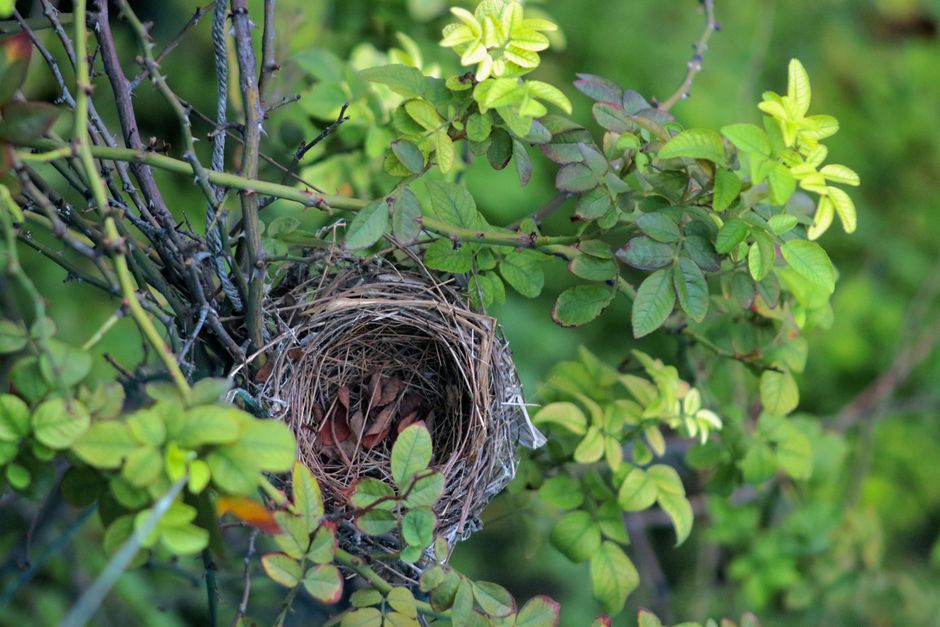
- Wall Voids: This is my least favorite. If you see wasps entering a gap where the brick meets the wood trim, do not seal it up with caulk. You are just trapping them inside your house, and they will chew through your drywall to get out. Decks and Railings: They love the underside of deck boards and hollow vinyl railings. Shutters and Eaves: The dark, sheltered corners of your roofline are prime real estate for paper wasps. Ground Nests: Sometimes the nest is right in your lawn, buried in an old rodent burrow.
The Danger of Lawn Mowing
If you have a ground nest, you are essentially sitting on a ticking time bomb. Most people find out they have a ground nest the hard way: by running over it with a lawnmower. If you see wasps flying in and out of a hole in the ground, keep your distance. A lawnmower vibration is seen as a direct attack, and the entire colony will swarm the source of the noise. That is not a fun trip to the ER.

The Seasonality Trap: Why Now Matters
In Connecticut, we have a very specific timeline for stinging insects. We hit a massive peak in mid-to-late summer.
Time of Year Activity Level Risk Assessment Late Spring Low Queens are starting new colonies. Catching them now is easy. Early Summer Moderate Worker population is growing. Nests are still small. Late Summer/Early Fall Severe Colonies are at max capacity. Wasps are aggressive and searching for sugar.If you see signs in June, you can often handle the colony before it beesmart.buzz gets massive. If you wait until August, you aren't just dealing with a few scouts; you are dealing with a population of thousands that are cranky and hungry.
The Problem with "Just Spray It"
I cannot stress this enough: Do not walk into a hardware store, buy a $10 aerosol can, and blast the entrance of a hole in your wall.
When you spray the entrance of a nest without knowing the layout, you are effectively "corking" the colony. The wasps inside realize the entrance is blocked and will look for another way out. Usually, that "other way" is through the inside of your home. We see it every year: a homeowner sprays a hole outside, and then suddenly their kitchen or bedroom is full of angry hornets.
Professional pest control technicians use fast-acting materials that neutralize the colony quickly and safely, followed by residual treatments that ensure any returning foragers are dealt with effectively. They have the PPE (Personal Protective Equipment) and the training to handle these hidden nest risks without turning your home into a danger zone.
Why a Professional Inspection is Worth Every Penny
People often ask me, "Is a free evaluation pest control service worth my time if I only see two wasps?" The answer is yes, because you aren't paying for the time it takes to look; you are paying for the expertise that tells you if that nest is in your wall, under your floorboards, or simply a neighbor's nest passing through.
A professional inspection provides:
Location Mapping: Identifying exactly where the colony is nesting. Species Identification: Knowing if you have European Hornets (which are huge and intimidating but often less aggressive) or Yellowjackets (which are tiny and mean). Risk Assessment: Determining if the nest poses an immediate threat to your family or pets. Treatment Strategy: Creating a plan that uses the right tools—whether that’s dusts for wall voids or liquid applications for external eaves—to solve the problem in one visit.Final Thoughts: Don't Wait
Look, I get it. Nobody wants to spend money on pest control if they aren't 100% sure there's a problem. But wasps are masters of hiding their true numbers. By the time you see a "swarm," the nest is already huge. If you are seeing traffic, give a local pro a call. Even if it turns out to be nothing, the peace of mind is worth it. Just make sure you can tell them exactly where you saw the activity—it makes my job, and the tech's job, a whole lot easier.