If you're considering upgrading your cooling situation, the debate between a mini split and a portable AC with a hose out the window has likely popped up. Portable air conditioners have been the go-to for renters and temporary cooling jobs, but their noisy operation, clunky looks, and limited efficiency often leave homeowners dreaming of something better. Enter the mini split — a whisper-quiet, streamlined option that’s becoming more accessible thanks to innovations like pre-charged quick-connect linesets and DIY-friendly models.
In this post, we'll break down the key differences between these two cooling methods, what the new technology from brands like Zone Air and MrCool offers, and whether it truly makes sense to switch. We’ll also touch on how smart home integration with platforms like Amazon Alexa can enhance your cooling experience.
The Portable AC: What You’re Dealing With
Portable air conditioners are popular for their ability to cool without permanent installation. You just set it up, stick the exhaust hose out a window, and you’re good to go. But they have drawbacks:
- Noise: Portable ACs have all the components inside the same unit—the noisy compressor, fans, and condenser—making them louder. Efficiency: Exhausting hot air through a hose can let warm air leak back in, lowering effectiveness and stealing cooling capacity. Appearance: The bulky hose and unit take up floor space and aren’t exactly the picture of interior design. Cooling capacity: Usually sized by BTU capacity but often unable to cool rooms much larger than 300-400 square feet effectively.
Common Misconceptions
One complaint I often hear is “I just need to ‘unkink’ the hose better.” From my counter days, I can tell you that a damaged or kinked lineset (hose, tubing, whatever) is a classic small mistake that turns into big leaks and decreased efficiency. Portable AC hoses can be temporary fixes, but they don’t replace proper refrigerant plumbing or sealed components.
Mini Split Systems: The Quiet, Clean Alternative
Mini splits come as two main components: an indoor wall-mounted unit and an outdoor condenser. Historically relegated to professional installation due to refrigerant handling and vacuum requirements, newer models have revolutionized this with DIY-focused designs.
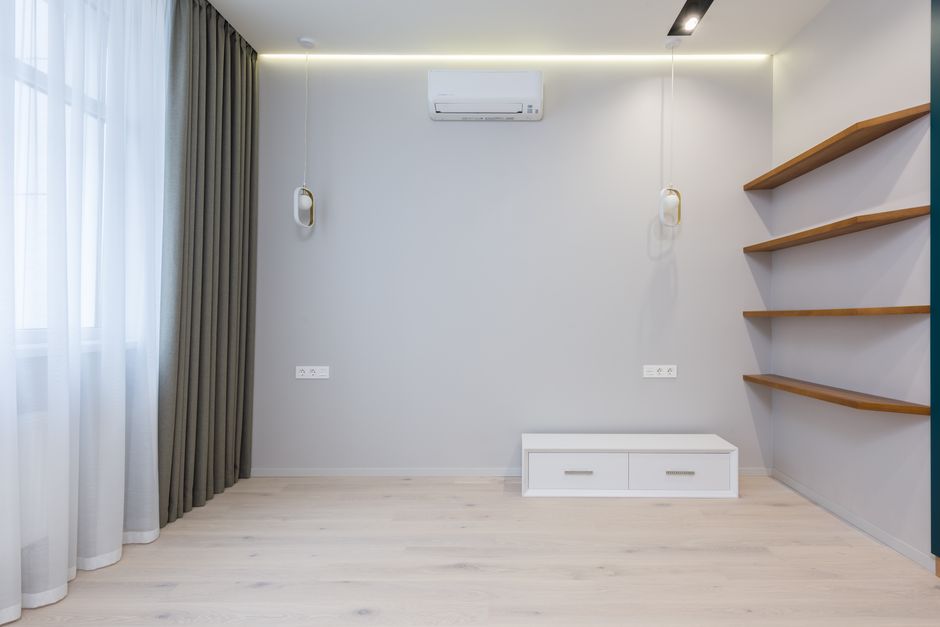
For example, the Zone Air DIY 9,000 BTU 23 SEER2 115V wall mount mini split, priced attractively at $1,899.99 (down from $2,499.99), covers up to 450 square feet efficiently while offering whisper-quiet performance and a sleek, wall-hugging profile.
What Changed? Pre-Charged Quick-Connect Linesets and R454B Refrigerant
The biggest advancement that makes DIY mini splits a game-changer is the use of pre-charged R454B quick-connect linesets. Here's why this matters:
No need for vacuum pumps or gauge sets: Traditional HVAC installs require vacuuming air and moisture from the refrigerant lines with expensive equipment. Pre-charged linesets come sealed from the factory. Dramatic savings on tools and certifications: You can skip EPA 608 certification and the investment in vacuum pumps, nitrogen tanks, and gauges, all of which can easily add $1,000+ to a DIY project cost. Plug-and-play simplicity with torque to spec: The quick-connect fittings are sealed and designed to be torqued according to manufacturer specs right from the box. No refrigerant handling experience required—but I always ask, “What breaker is this on?” to double-check electrical compatibility.Sizing by Square Footage: Avoiding Over-Sizing Mistakes
When switching from a portable AC to a mini split, sizing correctly is crucial. Oversizing your mini split BTU capacity might sound like a good backup plan, but it’s one of those small mistakes that turn into big issues like inefficient cycling, humidity problems, and higher bills.
Portable ACs are often undersized for the job because of their limited BTU ratings. For instance, ducted mini split vs ductless a 9,000 BTU Zone Air model can cover up to 450 sq ft, which fits many average living rooms or bedrooms perfectly. Measure twice—wall to wall and ceiling height—to avoid the common overlook of room size, which can make or break your system’s performance.
Why 115V Plug-and-Play Isn’t Always Plug-and-Play in Reality
Many mini splits like the Zone Air DIY unit operate at 115 volts and can be plugged into a standard household outlet—seemingly making them as simple as a portable unit. However, the electrical reality is nuanced:
- Many existing circuits won’t handle the continuous load from a mini split safely without tripping breakers. A dedicated 20A circuit is often recommended, so check your electrical panel and breaker sizing carefully. Understanding “What breaker is this on?” before installation can save headaches later. I recommend consulting an electrician if you’re unsure.
Cleaner Look and Quiet Operation
One undeniable benefit of mini splits over portable AC units is the cleaner look. The sleek wall mount doesn’t take up floor space, no need for hoses trailing out windows, and no bulky exhaust fans whirring inside the room.
Plus, mini splits excel in quiet operation. Placing the condenser outside cuts down noise dramatically, and indoor units barely whisper when running. This is a massive upgrade for bedrooms, home offices, or media rooms where noise is a real issue.
Smart Integration with Amazon Alexa
Modern mini split systems, including select models from Zone Air and MrCool, offer smart features that integrate with Amazon Alexa and other home automation platforms. This allows voice control for temperature adjustments, schedules, and energy-saving modes that portable AC units typically lack.
As someone who’s seen countless homeowners struggle juggling remotes and timers, this native smart home integration can be a game changer for comfort and convenience.
Summary Comparison Table
Feature Portable AC with Hose Mini Split (Zone Air DIY Example) Installation Plug-in, hose out window; easy, but clunky Pre-charged quick-connects, no vacuum pump; DIY capable Electrical Standard 115V outlet; lower draw 115V plug, but often needs dedicated circuit; check breaker Noise Level Moderate to loud; all components inside Quiet; compressor outside, indoor unit whisper quiet Efficiency Lower; hot spot near hose, leakage issues High; high SEER ratings like 23 SEER2 Appearance Bulky with hoses; floor space required Sleek wall mount; saves floor space, cleaner look Room Size Coverage 300-400 sq ft typical Up to 450 sq ft (Zone Air 9,000 BTU) Smart Features Rare, basic controls Alexa & smart home integration Tool & Certification Costs None, just plug and play No EPA 608, vacuum, or gauges needed thanks to pre-charged linesFinal Verdict: Is It Worth Switching?
If you’re currently relying on a portable AC and tired of the noise, inefficiency, and clunky setup, upgrading to a mini split like the Zone Air DIY 9,000 BTU 23 SEER2 115V model certainly makes sense. The pre-charged R454B quick-connect linesets eliminate many hurdles traditionally associated with mini split installs, cutting both time and money spent on tools and certifications.
Make sure you:
- Measure your room carefully and avoid oversizing. Verify your electrical panel and circuit breaker ratings before buying and installing. Always torque the quick-connect fittings to the manufacturer’s spec to avoid leaks.
In exchange, you get a cleaner look, quieter operation, higher efficiency, and even smart home integration with Amazon Alexa-ready devices — a combination that modernizes your home cooling while potentially saving money on energy.
If you want a smoother, smarter, and quieter summer, the mini split is a modern, practical upgrade worth considering over your portable AC with hose-out-the-window setup.