I’ve spent the better part of 12 years walking rooftops across the Tampa Bay area and down through the Southeast Florida corridor. I’ve seen everything from "storm chasers" knocking on doors with promises of a free roof to seasoned adjusters denying claims because of what they call "long-term neglect." If you are sitting in a house with a 14-year-old roof, you are in a specific, high-stakes position. You are on the clock, and the climate isn't doing you any favors.
Here's what kills me: homeowners often think that if the roof survived the last two hurricane seasons, it’s bulletproof. But with an El Niño pattern shifting our weather cycles, the threat changes. We trade the high-velocity punch of a hurricane for the relentless, grinding torture of sustained, heavy rainfall. For a 14-year-old roof in Florida, that isn't just weather—it’s an endurance test.
The El Niño Trade-Off: Fewer Hurricanes, More Water
When the news mentions El Niño, most Floridians breathe a sigh of relief, thinking, "At least there won't be as many hurricanes." While that may be statistically true regarding storm frequency, El Niño brings a different kind of threat to your shingles: the relentless wet season.
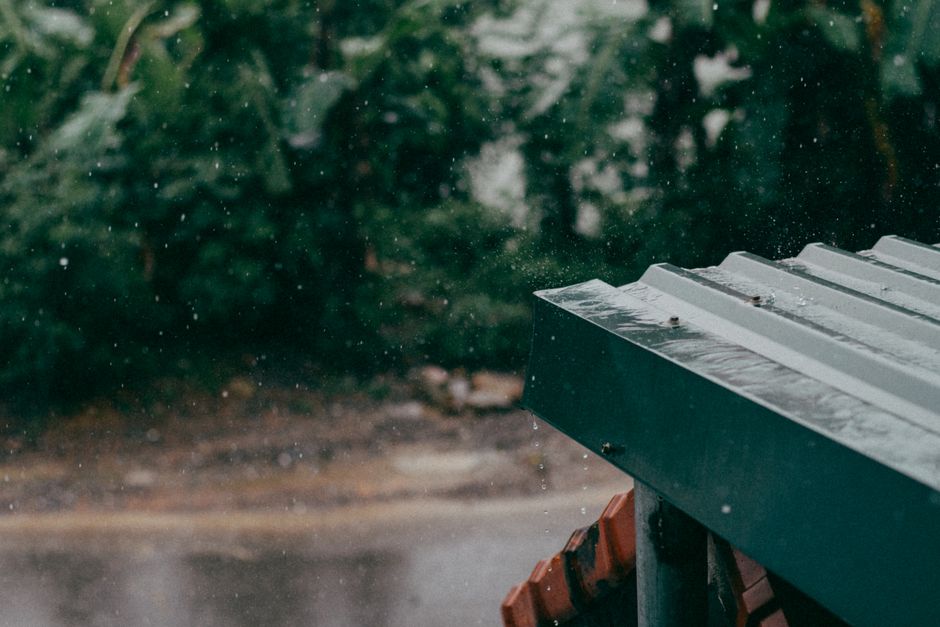
During an El Niño year, the jet stream shifts, often keeping Florida cooler but significantly wetter. This means fewer high-wind events that would tear shingles off immediately, but more "saturation events." Your roof, at 14 years old, has likely already experienced thousands of hours of UV degradation. The granules that protect your shingles from the brutal Florida sun are likely wearing thin. When you combine that with months of heavy, back-to-back afternoon storms, you aren't just dealing with rain; you are dealing with a cumulative moisture load.
Here's a story that illustrates this perfectly: made a mistake that cost them thousands.. If your underlayment—the common roof leak locations Florida secondary water barrier—has any microscopic tears or failed seams, that sustained moisture will find a way in. This is how I’ve seen homeowners get burned: they think they’re safe because there was no "storm damage," but their attic is growing mold because of a slow, undetected seep that occurred over weeks of damp, humid, El Niño-influenced weather.
The Danger of the "14-Year" Threshold
In the Florida insurance market, 14 years is the "pre-retirement" age for a roof. You are standing right on the edge of the Citizens Property Insurance Corporation eligibility guidelines and other carrier age thresholds. Once a roof hits the 15-year mark, carriers start looking much, much closer. Some companies will flat-out refuse to renew you if they haven't inspected the roof, and many will force an inspection the moment you hit that 15 or 20-year window.
When your roof is 14 years old, you should be treating it as if it’s on a probationary period. You aren't just protecting your home; you are protecting your insurability.
Florida-Specific Aging Factors
- UV Degradation: Florida sunshine is more intense than almost anywhere else in the US. By year 14, the asphalt content in your shingles has likely become brittle. Thermal Expansion/Contraction: We go from 95-degree days to 70-degree nights. This constant movement pulls nails and creates gaps around flashing. The "Salt" Factor: If you live within 10 miles of the coast, salt air is actively corroding your metal flashing and venting, even if you can't see the rust yet.
Understanding the Roof Age Thresholds
To help you understand where you sit, I’ve put together this breakdown. Keep in mind that carriers are moving targets—what was acceptable three years ago is often a "no-go" today.
Age Range Risk Assessment Recommended Action 0–10 Years Low Risk Standard annual maintenance; clean gutters. 11–15 Years Moderate Risk Current Zone: Targeted inspection; verify flashing integrity. 16–20 Years High Risk Prepare for carrier scrutiny; budget for replacement. 20+ Years Critical Risk Replacement is likely required to maintain insurance coverage.Don't Get Burned: Verification is Everything
I’ve seen it a hundred times: a massive storm rolls through, a contractor knocks on the door, promises a "free roof" paid by insurance, and then disappears with the deposit or leaves the homeowner with a shoddy installation that doesn't even meet Florida Building Code.

Before you let anyone touch your roof—even for a simple inspection—you must verify their credentials. This isn't optional; it's self-preservation. Use the Florida DBPR (Department of Business and Professional Regulation) license lookup tool. Do not just take their word for it. Check that they are a licensed roofing contractor and, more importantly, check if they have any disciplinary actions against them.
If they tell you "the the insurance company will pay for it because of the storm," be skeptical. Claims adjusters are looking for specific types of damage. If your roof is failing due to age and lack of maintenance, and the contractor promises a "free roof" via insurance, you are being set up for a potential insurance fraud accusation. As an inspector, my biggest advice is to find a reputable local firm with a physical address you can visit—not a transient crew with a magnetized truck sign.
Wet Season Roof Prep: Your To-Do List
If you’re worried about your 14-year-old roof this El Niño season, stop worrying and start doing. Here is your actionable wet season roof prep plan:
The "Attic Audit": Take a flashlight into your attic during the next heavy rain. Look for daylight, dampness on rafters, or water stains on the decking. If you see it, it’s not an "insurance claim"—it’s a maintenance repair you need to fix *before* the hurricane season starts. Clear the Debris: Debris trapped in valleys or behind chimneys is a "sponge" that keeps moisture in direct contact with your shingles for days after the rain stops. Get it off. Inspect the Flashing: The "boots" (the rubber seals around your plumbing vents) are almost certainly dry-rotted at 14 years old. This is the #1 cause of minor leaks in aging Florida roofs. Replacing these costs a few hundred dollars; ignoring them costs thousands in drywall repairs. Strategic Inspection Timing: Don't wait for a leak. Schedule a professional roof inspection *before* the peak of the wet season. Having a documented report from a professional that shows your roof is currently in good standing is an incredible tool to have in your back pocket if your insurance carrier decides to send an inspector out of the blue.Final Thoughts: The Professional Perspective
Look, I know roofs are expensive. I know the current insurance environment in Florida is stressful. But when you are at the 14-year mark, you are in the "window of opportunity." You have the chance to perform minor, proactive maintenance to extend the life of that roof, or at the very least, prepare your finances for the eventual replacement.
Do not wait for a hurricane to force your hand. A 14-year-old roof is a manageable asset if you keep your eyes open. Hire a licensed, reputable pro, check their credentials, and get ahead of the rain. In Florida, the water usually does more damage than the wind anyway—don't let your home be the one that pays the price for procrastination.