After 20 years of fitting out showrooms and helping homeowners across the UK navigate the complexities of bedroom ergonomics, there is one thing I’ve learned: we spend way too much time obsessing over how a nightstand looks and not nearly enough time considering how it functions at 3:00 AM.
If you find yourself having to sit up, reach blindly, or knock your water glass over just to grab your phone, your nightstand setup is failing you. Let’s get technical, get practical, and fix your bedside workflow once and for all.
The Golden Rule: Start with Your Mattress-Top
Before you even look at a catalog or visit a store, stop. Grab your tape measure. To give you the best advice, I need to know your mattress-top measurement first. Everything in bedroom ergonomics flows from that single horizontal plane.
In most modern UK homes, we see a wide variance in bed heights. Whether you have a sleek platform bed or a traditional divan with a deep pocket-sprung mattress, the relationship between your hand and the surface of your nightstand is fixed by physics, not fashion.
The 5-10 cm Benchmark
The golden rule I live by—and one that saves my clients from unnecessary back strain—is the table height 5-10 cm below the top of your mattress. If your table is higher than your mattress, you are reaching upward, which puts stress on your shoulder. If it is significantly lower, you are twisting your spine to reach down. A 5-10 cm drop creates a natural "drop-and-grab" motion that requires zero core engagement.

Understanding Your Bed Height
To help you benchmark your setup, I’ve compiled a quick sanity-check table based on common UK bed frame types. Please measure from the floor to the top of your mattress (including any toppers) to see where you sit.
Bed Type Average Height Range (cm) Recommended Nightstand Height (cm) Standard Divan 55 – 65 cm 45 – 60 cm Platform/Low Profile 35 – 45 cm 25 – 40 cm Ottoman/Storage Bed 60 – 75 cm 50 – 65 cmThe 3:00 AM Reach Test
I call this the "3:00 AM reach test." Imagine you are dead asleep. Your alarm clock goes off, or you wake up thirsty. Your brain is in a fog, and your motor skills are at a minimum. If you have to sit up or crane your neck to find your water or your phone, your furniture is poorly positioned. The ideal reach from lying down should be a simple outward movement of the arm, parallel to the floor, landing comfortably on the tabletop without you having to lift your shoulder blades off the pillows.
Common Pitfalls: Why "Aesthetic" Choices Fail
I’ve seen it a thousand times: a client falls in love with a tall, spindly antique table or a minimalist wall-mounted shelf that ends up being far too high. This is where I see people compromise their comfort for a "look" featured https://amumreviews.co.uk/should-bedside-tables-be-higher-than-the-bed/ on interior design blogs. Aesthetics are important, but functionality is paramount.
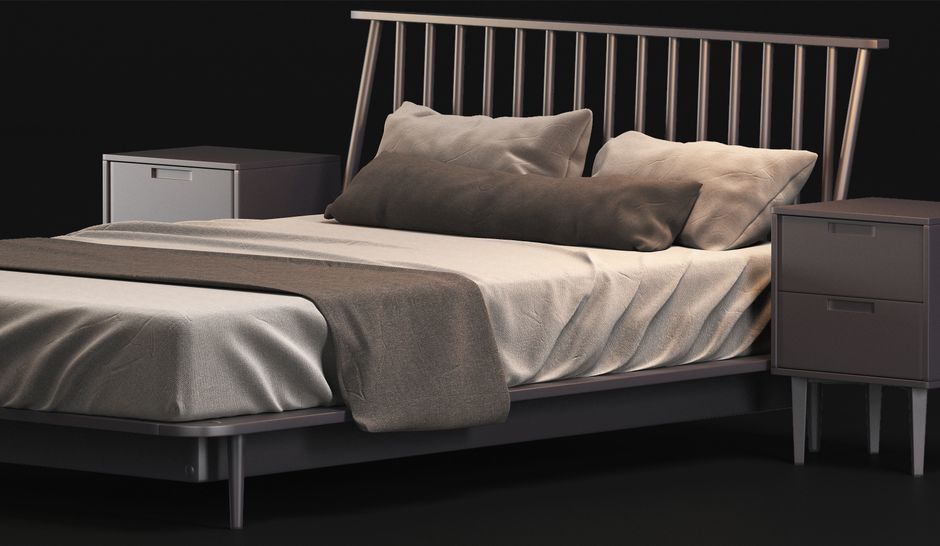
Here's what kills me: as noted by experts in human factors engineering (similar to the standards monitored by the national institute of standards and technology (nist) for workspace ergonomics), repetitive movements—like reaching at awkward angles—can lead to cumulative discomfort. Your bedroom should be a place of recovery, not a place where you develop a stiff neck or shoulder impingement.
Strategic Placement: Items Near the Front Edge
It isn’t just the height that matters; it’s the depth and the "zone of reach." Many people clutter the back of their nightstands with books or decor, forcing them to reach over obstacles to grab essentials. Items near the front edge are the only ones that matter for middle-of-the-night navigation.
Tips for Better Organization:
- Keep the front 10 cm clear: This is your "landing zone" for your phone, glasses, and a glass of water. Use drawer space for the rest: If you have a lamp, a book, or a hand cream, these should be placed toward the back or kept inside a drawer to prevent cluttering your primary reach zone. Avoid deep tables: If your nightstand is deeper than 45 cm, you will end up losing items in the "dead zone" at the back.
Sourcing the Right Furniture
I've seen this play out countless times: was shocked by the final bill.. When I’m consulting on site, I often direct clients toward bespoke options if standard sizes don’t fit their mattress height. Companies like Petalwood Interiors offer excellent modular solutions that allow you to adjust height or depth to match your specific bed frame. For those who prefer to research before they buy, I always recommend checking resources like amumreviews.co.uk, which often highlights the practicality of furniture in real-world, busy family homes rather than just polished showroom shots.
A Step-by-Step Guide to Troubleshooting Your Setup
The Measure: Use your tape measure to find your mattress-top height. Let’s say it’s 60 cm. The Calculation: Subtract 5-10 cm. You are looking for a surface height between 50 cm and 55 cm. The Reach Check: Lie on your bed. Reach out naturally. Does your hand land on the center of the nightstand surface without your elbow needing to bend aggressively? The Declutter: Remove everything that isn't essential for a 3:00 AM wake-up call from that front 10 cm of space. The Adjust: If your current table is too tall, consider swapping the legs or moving the unit to a different area. If it’s too short, consider a riser (if it’s a stable unit) or a new piece of furniture.Conclusion
Stop apologizing for wanting your bedroom to be practical. If you feel like your nightstand is fighting against you, it’s because it probably is. By focusing on the table height 5-10 cm below your mattress-top and ensuring your most-used items are kept in the front edge reach zone, you’ll transform your bedroom from a source of morning stiffness to a sanctuary of ease.
Remember, the next time you go shopping for furniture, bring your tape measure. Don’t trust the "standard" label; trust your own measurements. Your shoulders—and your 3:00 AM self—will thank you.