Here’s the thing: most people’s idea of an epic trip involves a colourful Instagram story, a comfy lounge chair, and maybe a cocktail with one of those silly little umbrellas. Rowing across the Atlantic Ocean? That’s a whole different kettle of fish. It’s nothing short of a brutal, thrilling, and properly humbling ocean rowing challenge. I’ve done it, and believe me, the reality makes any beach holiday look like a nap in the park.
Rowing Atlantic Ocean Experience: More Than Just Muscle
Ask yourself this: why on earth would anyone strap themselves into a tiny wooden boat, exposed to salt, sharks, sunburn, and a seasickness wave the size of a double-decker bus, to row some 3,000 miles from Europe to the Americas? It’s a question I’ve been asked plenty. The truth is, it’s not just about physical grit — it’s a mental marathon, an ocean-crossing story packed with moments that chew you up and spit you out.
The Atlantic crossing story for me started with bloody determination, a decent amount of sheer stupidity, and, crucially, preparation. You can’t just jump into a shell and start rowing https://onestep4ward.com/reading-risk-on-the-road-why-travellers-fear-the-wrong-things/ like a maniac. It’s a meticulous process, involving gear checks, mental prep, physical training, and yes, a worrying amount of spreadsheets on weather patterns and navigation tools.
The Grind: What Does the Day Look Like?
- Wake. Row. Sleep. Repeat. The rotating shifts mean you’re rowing all day and all night in one form or another. Sea sickness is your constant companion. Forget any romantic notions about dolphin companions dancing alongside your boat. For days, it’s just you and the relentless motion. Food and water become precious. Imagine surviving on dehydrated meals while rinsing off salt with practically no fresh water to spare. Isolation hits hard. No neighbours, no pubs, no internet. Just you, your crewmates, and the endless blue.
Why People Fear the Wrong Things in Travel
You know what’s funny? Most people worry more about terrorism or exotic diseases when they travel than about road accidents or drowning — which are actual killers on the move. Ever notice how you’d read horror stories about kidnapping in a certain country, yet see tourists hopping on scooters without helmets in Southeast Asia like it’s no big deal?
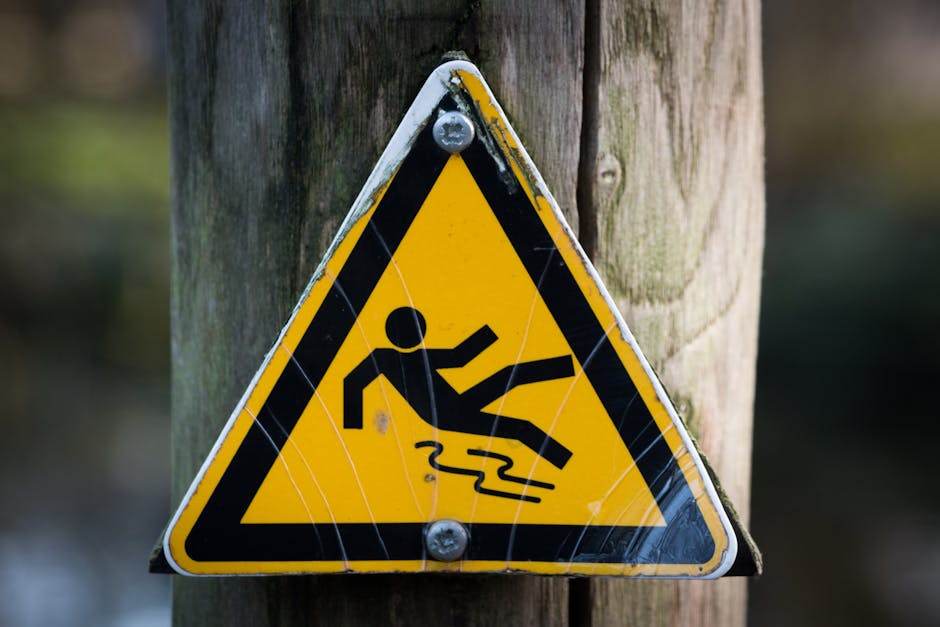
This same misjudgment happens in extreme adventures like ocean rowing. People assume the biggest threat is sharks or storms, but the real dangers are often mundane: accidents caused by exhaustion, dehydration, or even alcohol (yes, weirdly, despite being on a boat in the middle of the Atlantic, accidents happen). It’s a classic example of the availability heuristic, where people overestimate the likelihood of dramatic but rare events and underestimate common but deadly risks.
Take Road Traffic for Travellers — Believe It or Not, It's the Top Killer
If you’re looking at risks rationally, road traffic accidents kill far more travellers than any other cause. According to WHO data, over 1.35 million people die on the world’s roads every year — much of it avoidable with the right precautions. Yet this risk hides in plain sight; it’s not sexy, not cinematic, so we ignore it.
What Helps When Rowing Across Oceans and Traveling the World?
Preparation, knowledge, and smart insurance. Here’s where tools like HeyMondo travel insurance and SafetyWing digital nomad insurance enter the picture. When I did my Atlantic row, a $699 blog setup fee was a fraction of the costs related to equipment, training, and most importantly, safety nets.
Travel insurance providers like HeyMondo and SafetyWing don’t just sell peace of mind — they tailor plans for unique travellers, including those of us who take the road less rowed, quite literally. From medical evacuation to gear protection, having solid, transparent cover without hidden exclusions means you can focus on handling real risks instead of worrying about hypotheticals like terrorism, which statistically, is an insignificant hazard for most travellers.
Why I Trust HeyMondo and SafetyWing
- Clear, honest coverage: No dodgy exclusions about your adventure sports hobby or odd itineraries stretching from Turkmenistan to Papua New Guinea. Flexibility for digital nomads: If you’re running a travel blog (like I did after leaving Ireland with just a rucksack and a one-way Thailand ticket), you’ll want insurance that moves with you without tripping over endless bureaucratic hoops. Support when you actually need it: Both providers have good reputations for responding to claims fairly, which you want when you’re dead in the water.
Other Risks and Realities: Drowning, Alcohol, and Altitude Sickness
Ever heard someone say “I’m more worried about catching diseases than drowning”? Blink and you might miss it, but drowning features heavily in travel-related fatalities, often linked to alcohol consumption or sheer unpreparedness. When out on the ocean, you can’t just pop back to shore when things get hairy — and alcohol? Forget it. One bad decision means your mates are suddenly rowing with one less person or worse.
And it’s not just the ocean. If you’re rushing your itinerary, trying to cram adventure after adventure, you might run headlong into altitude sickness or exhaustion. When I climbed Everest — yes, that happened too — rushing the acclimatisation process is a recipe for disaster. Slow down. Respect your body.
Lessons From The Atlantic Rowing Challenge
So, what am I saying by sharing this Atlantic crossing story?
Adventure is brutal, not glamorous. Rowing the ocean does more than test your muscles. It shows you what real risk looks like — and what panic over trivial fears can mean. Prepare for the boring risks. Accidents, exhaustion, and basic safety are what get travellers, not rare headline-grabbing events. Get the right insurance. Providers like HeyMondo and SafetyWing make a difference for those who venture beyond tourist traps, ensuring risk stays manageable. Don’t rush. Whether ocean rowing or altitude climbing, pace yourself. Your body isn’t a machine.Final Thoughts: Rowing Across the Atlantic and Travel Wisdom
If you’re thinking of taking on an ocean rowing challenge, or just want a travel tale that cuts through the crap, there you have it. It’s tough, mind-and-body-breaking, but profoundly rewarding. The world is full of dangers, but most of them are predictable and manageable if you stop fussing over sensational headlines and start focusing on real, measurable risks.
Looking to start your own travel blog, maybe chronicling crazy voyages like an Atlantic row? For $699, you can set up a professional platform — don’t make the mistake of just winging it. Use it to share your stories honestly, warn others, and maybe run tours for like-minded adventure junkies. (Oh yeah, I run group trips to places like Turkmenistan and Papua New Guinea, and trust me, the drama there is way different from ocean rowing.)
Remember, safe travel isn’t about hiding in fear — it’s knowing your risks, preparing properly, and carrying on despite them. Now, if you’ll excuse me, I need to check the WhatsApp group chat with my last Atlantic row crew. There’s always something hilarious or horrifying happening there.