If you live in Miami, you’ve probably experienced the frustrating recurrence of algae on your driveway shortly after cleaning it. Despite investing time and money into driveway pressure washing Miami services, those green and black streaks seem to return at an alarming rate. What causes this, and how can you combat it effectively?
Drawing from years of experience coordinating exterior cleaning vendors and working closely with commercial exterior cleaning and driveway restoration companies in South Florida, this post will dive deep into why algae grows so quickly on driveways in Miami—and what kinds of cleaning and maintenance approaches actually work.
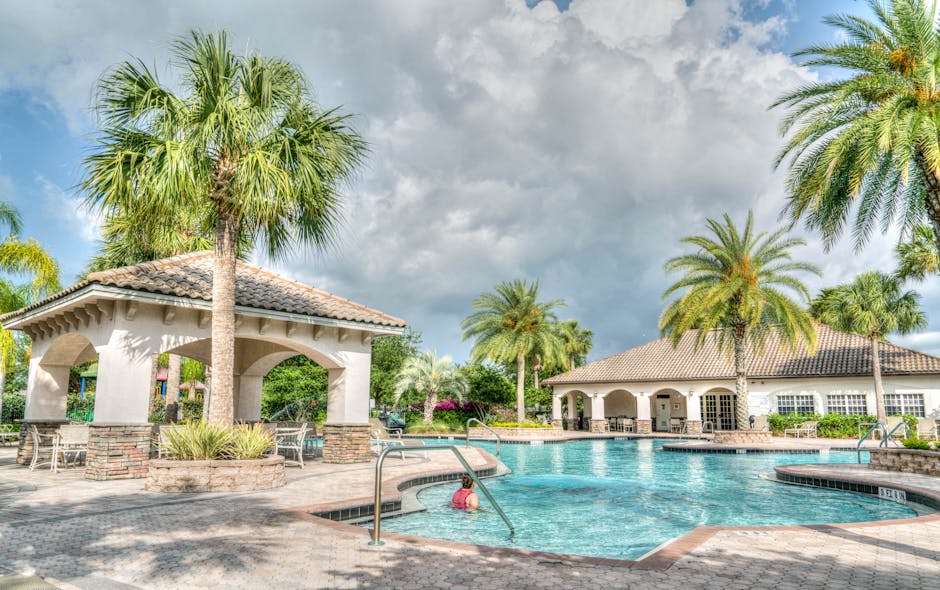
Photo credit: Aiper Pool Cleaner on Unsplash
Understanding Miami’s Unique Climate Impact on Driveways
One of the biggest reasons algae thrives and returns so rapidly in Miami is the city’s tropical climate. Miami is hot, humid, and rainy, which creates a perfect environment for algae and other microorganisms to grow on exterior surfaces.
- High Humidity: Miami's humidity levels often hover around 70% or higher. Moisture in the air settles on surfaces like concrete, keeping them damp and ideal for algae growth. Frequent Rainfall: Regular rainstorms wash nutrients and organic matter onto driveways, feeding algae colonies. Warm Temperatures: Temperatures rarely drop low enough to inhibit microbial growth, allowing algae to thrive year-round.
On top of the climate, driveways are often shaded by trees or neighboring structures, reducing sunlight that might normally help dry the surface and inhibit algae. This shading further accelerates algae establishment and encourages quick regrowth, especially on porous materials.
Why Algae Returns Quickly: The Role of Surface Type and Cleaning Methods
When dealing with driveway algae Miami issues, one crucial but often overlooked aspect is the type of driveway surface and the cleaning method used.
Surface Porosity and Algae Growth
Concrete, asphalt, pavers, and other materials have varying porosity levels, meaning some surfaces are more absorbent and rough, providing microscopic https://floridahottopics.com/the-best-pressure-washing-companies-in-south-florida/ crevices where algae spores lodge and hide. Paint or sealants on the driveway may wear unevenly, exposing raw substrate and facilitating rapid algae recolonization.
Soft Washing vs High-Pressure Washing: What Works Best?
Many homeowners default to high-pressure power washing for algae removal, believing its sheer force will eradicate buildup. While high-pressure washing can remove surface grime, in South Florida it often falls short for a few reasons:
- Does Not Kill Algae Spores: Pressure alone scrapes off visible algae but usually fails to eliminate the root biological agents beneath the surface. Potential Surface Damage: High-pressure washing risks etching or damaging softer driveway materials, increasing porosity where algae can regrow faster. Short-Lived Results: Because the underlying algae cells are not killed, regrowth can happen within weeks, especially in humid Miami conditions.
By contrast, soft washing—a method often associated with roof soft washing companies but increasingly employed for driveway cleaning—uses low-pressure spraying combined with specialized biodegradable solutions to kill algae at its root before rinsing it away gently.
Soft washing advantages include:
- Effective Algae Elimination: Anti-microbial agents ensure roots and spores are eradicated, reducing rapid regrowth. Preserves Surface Integrity: Gentle application protects driveways from the wear and tear of high pressure. Longer-Lasting Results: Delays return of algae and other staining organisms, improving curb appeal.
If you’re evaluating cleaning companies, one tip I always use is to ask explicitly, " What mix of cleaning solution do you use on my driveway?"—since vague answers like "we treat everything the same" often signal shortcuts or unsuitable chemical blends that won’t solve Miami’s unique algae problems.
The Importance of Regular Maintenance and Preventative Scheduling
After cleaning, algae may come back quickly if the driveway is neglected. That’s where establishing a commercial exterior cleaning schedule or routine maintenance plan becomes essential, especially for multi-tenant retail plazas, HOA properties, and busy residential areas.
Benefits of Recurring Cleaning Schedules
Benefit Description Consistent Appearance Regular cleaning prevents buildup, maintaining a well-kept exterior that enhances curb appeal. Damage Prevention Removing algae regularly prevents surface degradation, cracks, and discoloration caused by biological growth. Cost Savings Scheduled upkeep reduces the need for expensive driveway restoration and repairs later on. Tenant & Customer Satisfaction For commercial properties, clean exteriors create a positive impression and prevent hazards like slippery algae-covered paving.Many facility managers now prefer to contract companies offering comprehensive soft washing exterior cleaning paired with repeat maintenance visits every 3-6 months, aligning with South Florida’s rainy seasons and algae growth cycles.
Additional Resources and Considerations
When tackling persistent organic stains like algae, mold, and mildew on driveways and other exterior surfaces, it’s a smart move to consult authoritative resources. The Environmental Protection Agency (EPA) Mold Resources offers thorough guidance on mold and microbial issues relevant to humid environments like Miami.
Also, when contracting for exterior cleaning, make sure vendors provide clear, tailored plans addressing:
The specific type of driveway material and condition The cleaning solution’s composition and safety The frequency of recurring cleaning visits How they protect surrounding landscaping and nearby structuresAvoid vendors that give vague assurances such as, "We treat everything the same," as such statements usually reflect generic approaches that overlook important details like surface type, algae species, and local climate influences.
Summary: Preventing Rapid Algae Return on Your Miami Driveway
- Miami’s hot, humid, and rainy climate creates an ideal environment for rapid algae growth on porous driveway surfaces. High-pressure washing may remove visible algae but often leaves root spores untouched, leading to fast regrowth. Soft washing with specialized, environmentally-safe solutions is more effective for killing algae roots without damaging the driveway. Regular cleaning schedules aligned with Miami’s weather patterns help maintain curb appeal and prevent expensive repairs. Always ask detailed questions about cleaning mixes and processes to avoid contractors who use generic treatments unsuitable for your specific needs.
For residents and business owners in Miami, understanding these factors will help you find reliable driveway cleaning and restoration services that provide longer-lasting results. Whether you’re managing a commercial plaza or maintaining a residential property, the right approach to soft washing and recurring maintenance is your best defense against the forever-returning algae problem.
Photo credit: Aiper Pool Cleaner on Unsplash